

The Countersplash Design for a Seamless Kitchen Look
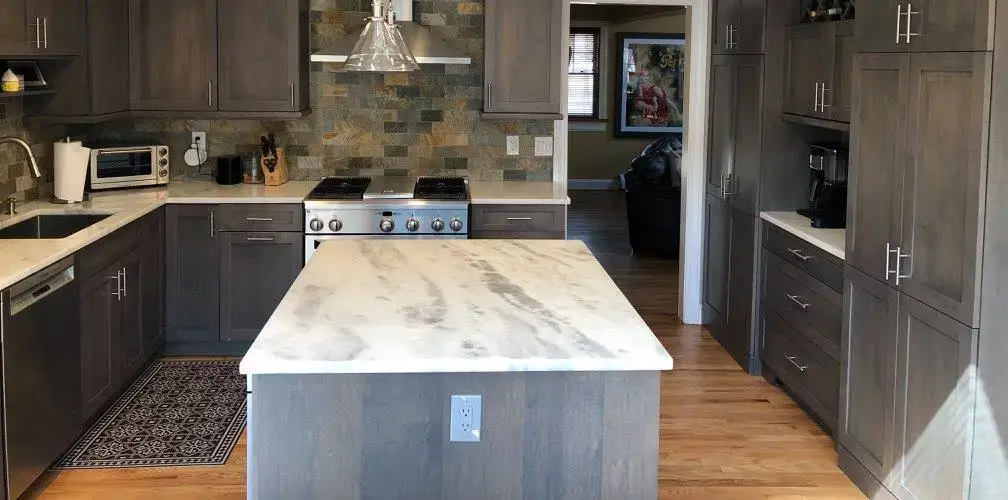
Each year brings new trends in kitchen design, and some have more staying power than others. One trend holding the attention of homeowners and kitchen designers as well is the countersplash—where the countertop material is extended up the wall to serve as the backsplash.
Countersplashes create a refined, visually consistent look and bring many worthwhile benefits. In this article, we’ll look at why this style is currently the best solution for eliminating grout lines and achieving a lower-maintenance kitchen of distinction.
At the end, don’t miss the Q&A section answering many of your questions on the topic.
What Is a Countersplash?
A countersplash, also known as a full-height backsplash, involves using the same material for both the countertop and the backsplash area.
Instead of stopping your countertop at the wall and switching to tile, you carry the slab—whether it’s quartz, marble, granite, or another surface—up the wall behind your cooktop and sink. The result is a continuous, uninterrupted surface that delivers both attractiveness and usefulness.
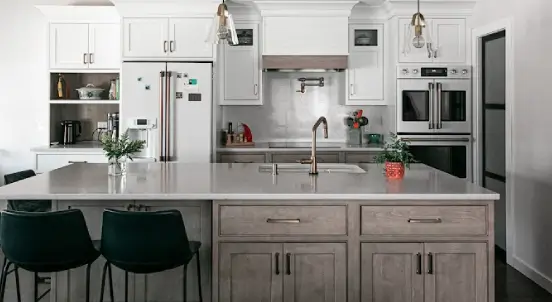
Why Countersplashes Are Gaining Popularity
No Grout Lines
Traditional tile backsplashes involve grout, which can stain, crack, or become a magnet for food particles and grease over time. With a countersplash, you eliminate these lines entirely. The surface is smooth, continuous, and easy to wipe down—no scrubbing or brushing of grout required.
Low-Maintenance Appeal
Kitchen surfaces endure a lot: splatters, spills, grease, and daily messes. A countersplash’s non-porous materials, like quartz and some engineered stones, have fewer places for stains to land. Cleaning is as simple as a quick wipe with a cloth, keeping your kitchen looking spotless with minimal effort.
Luxurious, High-End Aesthetic
There’s a reason kitchen designers love the countersplash: it creates an instant sense of luxury. The uninterrupted flow of material between counter and wall draws the eye, making the space seem bigger and more integrated. Choose a dramatic veined marble for a statement look, or a muted, solid-color quartz for understated elegance.
Design Versatility
Whether your style is modern, traditional, or somewhere in between, a countersplash works for any aesthetic. Materials come in an array of colors, patterns, and finishes, letting you customize the look to your personal taste. Want to extend the splash all the way to the ceiling? Or just a few inches above the counter? The choice is yours.
Property Value Boost
Many real estate agents report that buyers are wowed by kitchens with countersplashes. The design signals a custom, well-thought-out renovation—often translating into higher perceived value and speedier sales.
Choosing the Right Material
The success of your project depends on choosing the right material. There are several excellent options, depending on your taste and your home’s style.
- Quartz: Durable, non-porous, and available in endless designs, quartz is a favorite choice. It resists staining and scratching, rendering it suitable for busy kitchens.
- Marble: For old-world luxury, nothing beats marble. Its veining creates a rich, elegant look. Be aware that marble is porous and can stain, so regular sealing and gentle cleaning are a must.
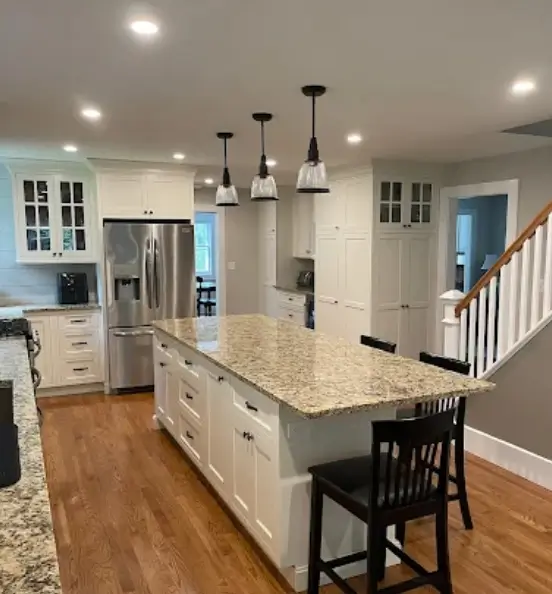
- Granite: Natural granite offers distinctive patterns and rock-hard durability. Like marble, it needs sealing but stands up well to heat and daily wear.
- Engineered Stone: Man-made from a mixture of natural stone and resins, these surfaces can replicate the look of marble or granite at a lower price point and with easier maintenance.
Installation Considerations
Installing a countersplash is not a weekend DIY project. The slabs are heavy, large, and need exact measurement and cutting. Professional installation from a kitchen remodeling company ensures the material is safely secured to the wall and that seams are expertly matched. Be sure to:
- Work with a reputable home remodeler experienced in full-height backsplash installations
- Plan electrical outlet cutouts and any faucet holes in advance
- Review layouts to ensure your favorite section of veining or pattern is displayed prominently
Design Tips for a Perfect Outcome
Bookmatch the Slabs
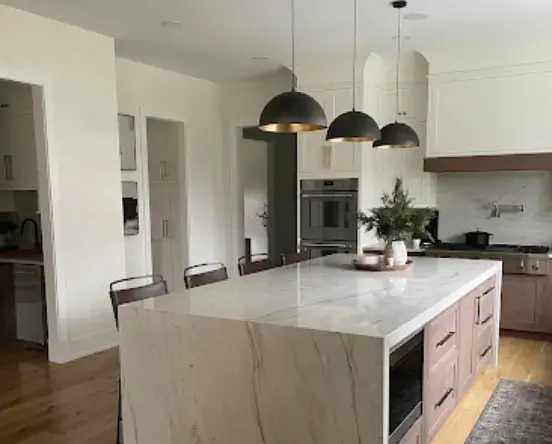
For maximum drama, consider bookmatching, a process where you align two slabs with complementing patterns (veins) so they mirror each other to create a stunning look.
Waterfall Edges
Extend the countertop material down the sides of your island or cabinets toward a cohesive, finished appearance.
Under-Cabinet Lighting
Illuminate your countersplash with LED strips to bring out its color and texture, especially at night.
Select Contrasting Materials
Pair a bold countersplash with understated cabinetry, or mix an understated choice with bold cabinets to create a striking look.
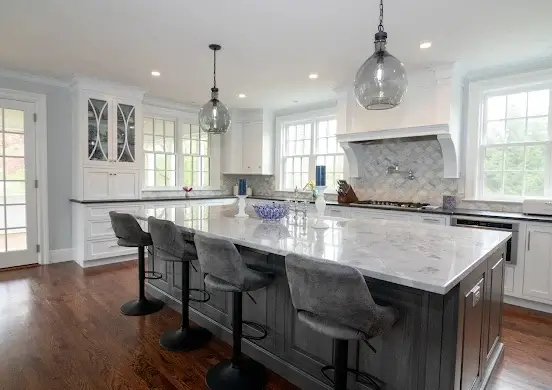
Caring for Your Countersplash
Maintenance is generally simple, especially with quartz or engineered materials. For natural stones like marble or granite, there are some things to remember:
- Use mild, pH-neutral cleaners to avoid etching; avoid cleaners containing ammonia
- Wipe spills promptly, especially acidic foods such as lemon, tomato, and vinegar
- Reseal periodically as recommended by your contractor
- Avoid abrasive pads that can scratch the surface
Other Important Considerations
Kitchen Size
Worried that this look is only for large, luxury homes? Think again! In smaller kitchens, a countersplash can actually expand the visual space by lessening visual breaks and clutter. Choose a light-colored material to reflect more light and make the room feel open and airy.
Sustainability
Many homeowners are seeking green options as sustainability grows more important in remodeling decisions. Look for quartz brands with recycled content, or consider repurposing stone remnants. Some engineered stones are Greenguard certified, with lower chemical emissions.
Price and Budget Factors
A countersplash can be more expensive than a tile backsplash due to material costs and professional installation. However, the investment pays off in long-term durability, easier cleaning, and elevated style. Your kitchen designer can use remnants or partial slabs for savings.
A Great Look and Easy to Keep Clean
The countersplash is more than simply a trend—it’s a kitchen design innovation that brings together style, function, and ease of maintenance. Whether you’re remodeling your kitchen of building a new one, consider this solution for an elegant and work-saving result.
Frequently Asked Questions
Can I install a countersplash myself?
Professional installation is highly recommended because of the weight, size, and skill required. Mistakes can cost you.
How do I clean my countersplash?
For quartz and engineered stone, use a damp cloth and mild soap. For marble and granite, opt for pH-neutral cleaners and avoid acids.
What’s the cheapest option?
Engineered stone or quartz remnants can offer the same look for less. Speak with your contractor about available options.
Can I do a partial countersplash?
Yes, the height and size can vary according to your taste and budget. You can extend the counter material just a few inches up, or go all the way to the ceiling.
Is a countersplash right for every kitchen?
While suitable for most homes, countersplashes work best when you want a continuous look and easy maintenance. Homes with heavy cooking or high humidity might need extra care if using natural stone.

