

How Does Bathroom Remodeling Add Value to Your Home?

Increased Resell Value for Your Home
It’s known that bathroom renovations and remodels have a high return on investment (ROI). According to recent studies, homeowners can recoup an average of 70% to 80% of their bathroom remodel costs upon reselling their home. This means that if you invest $10,000 to remodel your bathroom, you could potentially increase the value of your home by $7,000 to $8,000. This is a considerable return on investment and highlights the importance of considering a bathroom remodel as a long-term investment for your property.
Attracting Potential Homebuyers
As mentioned earlier, bathrooms play an important role in buyers’ decision-making strategy when looking for a new home. A well-designed, updated and stylish bathroom can be a major selling point for potential homebuyers. It not only adds functionality and comfort to the home but also adds a touch of luxury and modernity that can be very appealing to buyers. In today’s competitive real estate market, having a renovated and visually attractive bathroom can make your property stand out among similar homes on the market.
Improved Functionality
A thoughtfully designed and well-laid-out bathroom can significantly enhance its functionality, making daily routines more comfortable and efficient. Modern bathroom designs often focus on maximizing space and incorporating innovative ways to store items. This can prove invaluable in reducing clutter and promoting an environment of relaxation and serenity, which is particularly desirable in a bathroom setting. Ultimately, improving the functionality of your bathroom can make a big difference in attracting potential homebuyers and increasing the overall value of your home.
Energy Efficiency and Cost Savings
Many homeowners overlook the potential energy savings that can come with a bathroom remodel. Upgrading to energy-efficient fixtures and appliances not only reduces your carbon footprint but also lowers utility bills. This is an attractive selling point for environmentally conscious homebuyers who are looking to save money on utilities.
DIY vs. Professional Bathroom Remodeling Companies
While some cost savings may be associated with DIY bathroom remodels, they often do not add the same value to your home as a professionally remodeled bathroom. Professional remodeling companies have the experience and know-how to create a bathroom design that meets both your needs and appeals to potential buyers. They also ensure that all work is done according to building codes and regulations, giving you peace of mind and avoiding any potential issues during the selling process.
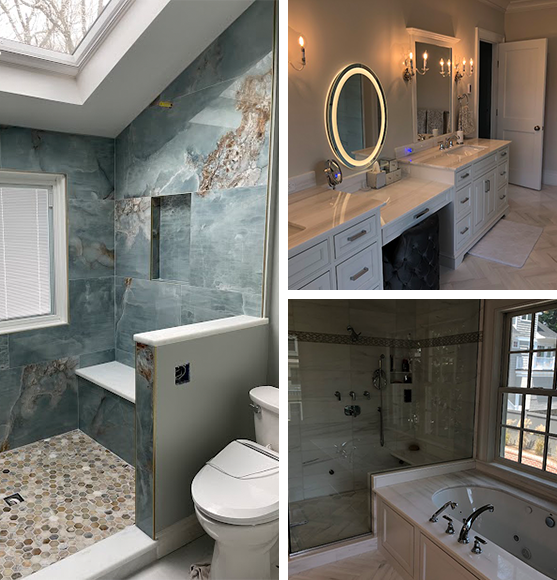
Quality Materials and Expert Craftsmanship
Choosing a professional bathroom remodeling contractor ensures that only the best materials and the highest standard of craftsmanship go into your home. These companies have established relationships with material suppliers, enabling them to procure the best products, such as cabinets and countertops, at competitive prices. Additionally, their expert craftsmen have the skills and experience needed to install these materials without issue, guaranteeing a durable and attractive finish. Potential buyers seek this level of quality and can significantly elevate the value of your home, justifying the initial investment in a professional remodel.
Connecticut Building Codes & Regulations
Connecticut building codes and regulations have specific requirements that must be followed during any bathroom renovation or remodeling project. The last thing you want is to run into issues with code violations during the selling process, as this can delay or even prevent the sale of your home. Professional bathroom remodelers in Connecticut are well-versed in these codes and regulations and ensure that all work is done properly and up to code. This not only avoids potential issues during the selling process but also ensures the safety and stability of your home for years to come.
The Value Added by Remodeling Your Connecticut Bathroom
The benefits of remodeling your bathroom are clear, from increased resell value and attractive selling points to improved functionality and energy efficiency. Furthermore, while a DIY approach may seem cost-effective in the short term, it often does not provide the same level of quality and value that a professionally designed and executed remodel does. By investing in a professional bathroom remodel, you can enjoy an updated and modern bathroom and significantly increase your home’s overall value.
Contact Kitchen Traditions to Get Started
So, if you’re looking to make a sound investment in your property and attract future homebuyers, consider getting your CT bathroom remodeled with Kitchen Traditions today. It’s an investment that will pay off for years to come. So, don’t hesitate! Let our team of expert bathroom and kitchen remodelers help you create your dream bathroom, all while increasing the value of your home.
At Kitchen Traditions, our services don’t stop at bathrooms. We also specialize in home improvement services, including kitchen renovations, custom countertops, and cabinet installation. Our team can turn your outdated kitchen into a sleek and highly efficient space where you’ll enjoy cooking and spending time with family and friends. In addition, our countertops, available in materials such as granite, quartz, and marble, will add an element of luxury to your kitchen. Furthermore, our remodel experts will guide you in choosing and installing cabinets that perfectly suit your style. Kitchen Traditions is dedicated to delivering superior remodeling services and products to Danbury, CT, and the surrounding area. Contact us today to learn more.
Family-Friendly Kitchen Remodeling: Makeover Ideas for Busy Homes

Inspired Kitchen Makeovers
Remodeling for busy homes involves creating an aesthetically appealing, highly functional space for everyday use. This is an approach that requires careful planning and design, taking into consideration the specific needs and habits of each family member. The goal is to construct an efficient, safe, and inviting kitchen that serves as a hub for various activities – from cooking and dining to studying and socializing. It’s all about optimizing the kitchen space for ease of movement, accessibility, and convenience.
This could mean implementing open layouts, installing durable and easy-to-clean materials, integrating kid-friendly elements, and incorporating smart storage solutions. When executed correctly, a kitchen makeover can significantly enhance the functionality of your kitchen, making it a true asset for your busy lifestyle.
Discover practical design solutions and kid-friendly features that make your kitchen the heart of family gatherings. Combine functionality with aesthetics, turning your standard kitchen into a dynamic space that encourages family interaction while ensuring safety and convenience. From incorporating open floor plans and easy-to-clean materials to integrating child-friendly elements and innovative storage solutions, we will guide you through many remodeling options. Our goal is to help you craft a kitchen that not only meets the rigorous demands of a busy family lifestyle but also fosters an engaging environment where precious memories are created amid daily routines.
Design Solutions for Busy Homes
Maximizing Space and Functionality
Open-concept layouts are the cornerstone of a family-friendly kitchen design, promoting fluidity of movement and encouraging family interaction. By removing walls and barriers, the kitchen, living, and dining areas merge into a cohesive space where activities can flow seamlessly from one area to another. This layout creates an illusion of a larger, more spacious area and fosters a communal atmosphere vital in busy homes.
In addition to removing walls, using multifunctional furniture can significantly enhance the utility and adaptability of your space. Think kitchen islands that double as breakfast bars, study desks, or bench seating with hidden storage. These versatile pieces can cater to diverse needs while optimizing the use of space.
Ample storage is another critical element in maintaining an organized and functional kitchen. An efficient storage system helps declutter countertops, keeping essential utensils, appliances, and ingredients within easy reach yet out of the way. This can expedite meal preparations, minimize cleanup time, and create a visually harmonious space that enhances the kitchen’s overall ambiance.
Easy-to-Clean Surfaces
Low-maintenance and durable options are crucial when selecting countertop materials for your kitchen remodel, particularly for busy families. Quartz, for example, is popular due to its durability, resistance to stains and scratches, and minimal upkeep. Similarly, laminate countertops offer a cost-effective, easy-to-clean alternative, with a wide variety of finishes that can mimic more expensive materials like granite or marble. Stainless steel, though more commonly found in professional kitchens, is also viable, given its resilience and easy-to-clean nature.
In the realm of appliances and flooring, easy-to-clean options can prove to be a game-changer in a busy kitchen. Appliances with smooth, non-textured finishes are sleek, modern, and easier to keep clean. Consider induction cooktops, which are flat and wipe clean in seconds, and fridges with smudge-proof finishes. Similarly, for flooring choices, materials like ceramic or porcelain tiles, vinyl, or polished concrete are excellent options due to their resistance to spills, durability, and easy maintenance.
Kid-Friendly Features for Convenience
Safe and Durable Materials
Choosing safe and durable materials is essential to creating a family-friendly kitchen. Child-proof cabinets are a key feature; equipped with safety latches or locks, they prevent young children from accessing potentially dangerous items. Rounded edges on countertops and furniture are another safety measure to reduce the risk of injuries from sharp corners, especially for toddlers just starting to navigate their surroundings.
It’s easy to forget about floors, but non-slip flooring is essential to prevent accidents and falls in a busy kitchen. Textured vinyl, slip-resistant tile, cork flooring, or matte-finished hardwood are viable options that combine durability and safety with aesthetics.
In terms of durability, choosing materials that can withstand wear and tear is an investment that saves time, effort, and money in the long run. For instance, stainless steel appliances, quartz countertops, and hardwood cabinets are renowned for their resilience against scratches, dents, and stains. They not only preserve the visual appeal of your kitchen over time but also eliminate the constant need for repairs or replacements. Remember, a family-friendly kitchen is not just about what you see on the surface—it’s also about what lies beneath: materials built to last, supporting the dynamics of a busy family life.
Creative Storage Solutions
An integral part of a family-friendly kitchen remodel involves smart, creative storage solutions. Consider the benefits of pull-out pantries and drawers, which provide easy access to stored items, from ingredients and cookware to utensils and cleaning supplies. These designs maximize storage space and streamline food preparation and cleanup processes. Additionally, designated spaces for children’s belongings, such as lower cabinets for their dishes or a special drawer for art supplies, can help cultivate their sense of responsibility. By providing a space where they can independently access and return their items, they learn the importance of organization while contributing to maintaining a tidy kitchen. Leveraging creative storage solutions can greatly enhance the functionality and convenience of your kitchen, making it truly conducive to a busy family lifestyle.
Making the Kitchen a Gathering Place
Designing for Interaction and Connection

Functional Seating Options
The incorporation of a kitchen island or breakfast bar offers a multitude of benefits. It allows for additional storage and work space while also serving as a casual dining spot or a place for family members to gather during meal preparation. With a few bar stools, a kitchen island can instantly transform into an informal dining area, ideal for quick meals, children’s homework sessions, or coffee chats.
On the other hand, built-in bench seating can provide a cozy, intimate setting for family meals, promoting togetherness and fostering deeper connections. It offers a comfortable seating option, and a bench seat with built-in storage can also provide a practical solution for hiding away kitchen essentials or children’s toys, keeping your kitchen neat and organized. Whether bar stools at a breakfast bar or adaptive bench seating, these functional seating options contribute significantly to making your kitchen a versatile, family-friendly space.
Interactive Design Elements
Interactive elements can bring a whole new level of engagement to your family-friendly kitchen. One such feature is the incorporation of interactive displays or chalkboard walls. These can serve multiple purposes, from a fun space for children to unleash their creativity and imagination to a practical place to jot down grocery lists or plan weekly menus. They can also be used to display children’s artwork or for educational purposes, like practicing writing, spelling, or math skills. It’s a seemingly simple addition that can provide endless hours of entertainment and learning for your little ones.
Moreover, adding interactive design elements during your kitchen remodel in CT can also pave the way for children’s involvement in meal preparation and planning. Having children participate in these activities can be a great way to instill important life skills such as cooking, meal planning, and even budgeting. This can also foster a sense of responsibility and independence in them. Additionally, it provides an opportunity for family bonding, can make children more open to trying new foods, and can even help them better understand the value of healthy eating. So, in the process of cooking and planning meals together, you are not only preparing food but also preparing your children for life.
Modernizing a Kitchen That Grows with Your Family
In conclusion, a modern family-friendly kitchen is a significant cornerstone of a nurturing, dynamic home environment. It goes beyond being a mere utility space, transforming into a setting for building relationships, fostering learning, and creating unforgettable memories. Practical design solutions, from safe, durable materials to creative storage options and interactive design elements, serve dual purposes of safety and engagement. These features and an inviting layout help mold the kitchen into a hub for family interactions and gatherings. Our kitchen remodeling experts in Danbury, CT, are at your disposal, equipped with the knowledge and skills to help you realize this transformation. Contact us or call us today to create a family-friendly kitchen that fits your bustling lifestyle and needs.
Kitchen Remodeling 101: Essential Tips and Ideas for First-Time Renovators
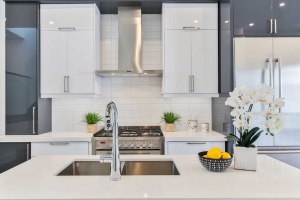
Embarking on your first high-end kitchen remodeling project can be thrilling yet daunting. A well-planned kitchen boosts your home’s value and enhances your lifestyle, turning it into a hub of daily life and entertainment. In this guide, we’ll delve into the indispensable details for your Connecticut kitchen remodel – from design choices to budget considerations. Armed with the expertise of experts at Kitchen Traditions, your journey to a dream kitchen in Danbury will be seamless. So, let’s unravel the mystery of remodeling and transform your kitchen into a place where memories are made.
Pre-Planning Phase
Setting a Budget and Determining Priorities
Setting a budget is your first critical task in the remodeling journey. Knowing how much you’re willing to spend and where you allocate those funds is important. Professional kitchen design companies can provide a detailed cost breakdown, aiding you in understanding where your money will make the biggest impact. Prioritize areas that increase functionality and enhance aesthetics. Remember, your budget should also account for unexpected expenses – a common occurrence in renovations.
Researching and Gathering Inspiration
Before you dive headfirst into demolition and construction, take time to research and gather inspiration. Look at design magazines, home renovation shows, and kitchen design websites. Pinterest and Instagram are rich sources of modern, traditional, and transitional kitchen styles. This process will help you identify your style, color schemes, and key features you’d like in your kitchen.
Hiring a Professional or DIY Approach
The choice between hiring a professional and adopting a DIY approach boils down to your budget, skills, and patience level. Many high-end kitchen design companies offer their customers expert advice, innovative designs, and meticulous execution. They can easily navigate renovations, transforming your vision into reality while adhering to code regulations. On the other hand, a DIY approach can save costs but requires a significant time investment and a steep learning curve. Be realistic about what you can do yourself, and don’t hesitate to call in the pros for tasks that you can’t handle.
Designing Your Dream Kitchen
Assessing the Current Layout and Functionality
The first step in designing your dream kitchen is to assess your current layout and functionality. Take a critical look at your kitchen and consider the changes you want to implement. Do you need more counter space for meal prep? Is the current work triangle – the path between the sink, refrigerator, and stove – efficient and easy to navigate? Consider traffic flow, appliance location, and overall functionality. Professional kitchen designers can assist in evaluating your layout and suggest modifications to enhance its efficiency and comfort.
Identifying Must-Haves and Wishlist Items
Next, compile a list of must-haves and wishlist items. The must-haves are the non-negotiable elements your kitchen should contain to function optimally. This could be quality appliances, a certain amount of storage, or specific materials for durability and easy cleaning. On the other hand, wishlist items are those dream features you’d love to include if budget and space allow. Think of a wine fridge, warming drawer, or a pot-filler faucet above the stove. Remember, an experienced design company can guide you in allocating your budget to make the most of your must-haves and wishlist items.
Choosing a Design Style That Suits Your Taste
Now, let’s talk style. Your kitchen should reflect your personality and taste. Are you drawn to the sleek Minimalism of modern design, the warmth and comfort of a traditional kitchen, or the balance and simplicity of the transitional style? Look at your compiled research and identify recurring themes – this can help pinpoint your design preference. Kitchen design companies have vast experience across all styles and can help bring your chosen aesthetic to life.
Maximizing Storage and Organization
Finally, don’t underestimate the importance of storage and organization. A well-organized kitchen can make your cooking and cleaning process much smoother. Consider incorporating solutions like pantry pull-outs, utensil drawers, and appliance garages for a clutter-free kitchen. Additions like these maximize every inch of your kitchen by offering intelligent storage solutions, ensuring your space is beautiful and functional. Remember, a kitchen isn’t just about looks; it’s about creating a space that makes your daily life easier and more enjoyable.
Selecting Materials and Appliances
Countertop Materials and Considerations
Countertops are the workhorse of your kitchen, and their material should be both durable and appealing. Granite remains a timeless choice, offering unique patterns and a high-end look. It’s heat-resistant and, when properly sealed, resists stains. Quartz countertops are another excellent option. Crafted from one of the hardest minerals, quartz countertops are nonporous, stain, and scratch-resistant and require no sealing. Silestone, Cambria, and Caesar Stone are other materials you can consider, each with benefits and aesthetics. Discuss your lifestyle, preference, and budget with your kitchen designer to select the best countertop.
Cabinet Styles, Finishes, and Hardware
Cabinets dramatically influence the overall appeal of your kitchen. Whether you opt for traditional raised panel doors, sleek modern designs, or the clean lines of shaker cabinets, your choice should resonate with the overall style of your kitchen. In terms of finishes, painted cabinets offer a clean, seamless look and work well in modern and traditional spaces. Stained cabinets highlight the natural beauty and grain of the wood, suitable for rustic and country-style kitchens. For hardware, consider the function and style. Choose pulls, knobs, or handles that complement your cabinet style and finish.
Flooring Options and Durability
The kitchen floor endures constant traffic, spills, and drops, necessitating a durable and easy-to-clean material. Hardwood flooring brings warmth and classic charm, and modern sealers make it more resistant to water damage. Tile, available in many designs and materials, is another popular choice, with porcelain and ceramic offering durability and ease of maintenance. Alternatively, luxury vinyl or laminate can replicate the look of wood or tile while providing excellent durability and water resistance.
Energy-Efficient Appliances and Their Benefits
Investing in energy-efficient appliances reduces your ecological footprint, resulting in significant cost savings over their lifespan. Energy Star-rated appliances, for example, use less electricity and water than standard models without compromising performance. Refrigerators, dishwashers, and ovens come in energy-efficient versions. While the initial cost may be higher, the long-term energy savings and environmental benefits make them a worthy investment. Your kitchen designer can suggest various energy-efficient appliances to suit your needs and design aesthetic.
Hire Our Kitchen Remodeling Contractors and Let Us Manage the Project
Finding Reputable Contractors
With kitchen remodeling, the importance of hiring reputable contractors cannot be overstated. To find reliable professionals, seek personal referrals from friends, family, or neighbors who’ve recently undertaken a similar project. Alternatively, online platforms offer customer reviews and ratings for contractors in your region. Look for contractors with a solid reputation for quality work, punctuality, and good communication. Check their licensing, certification, and insurance status and consider their experience level, especially in kitchen remodeling.
Requesting Quotes and Comparing Estimates
Once you’ve shortlisted a few potential contractors, it’s time to request quotes. Provide them with a detailed description of your project to ensure you receive comprehensive and accurate estimates. This should include your preferred materials, design style, and specific changes to the layout or function of your kitchen. When you have collected all the estimates, compare them side by side. Look beyond the total cost and consider what each quote includes regarding materials, labor, and contingencies. Remember, the cheapest quote may not always provide the best value.
Creating a Detailed Timeline and Project Plan
A thorough project plan and timeline are crucial to ensure your kitchen remodel runs smoothly. This plan should outline each project stage, from demolition and construction to installing cabinetry and appliances. It should also include time for unexpected delays or issues that may arise. Be realistic about the timeline; rushing a remodeling project can often lead to mistakes or subpar work. Share this plan with your contractor to ensure you’re both on the same page.
Communicating Effectively with Contractors
Clear and ongoing communication with your contractor is essential to keep your project on track. Establish regular check-ins to discuss progress, address issues, and make any necessary plan adjustments. Be assertive and straightforward about your expectations, and don’t hesitate to ask questions or voice concerns. Remember, this is your dream kitchen coming to life, and your contractor is there to make that happen in the best way possible. Effective communication can make the difference between a stressful renovation and a rewarding, successful project.
Financial Considerations
Financing Options for Kitchen Remodeling
There are several financing options available for your kitchen remodeling project. Personal savings are the most cost-effective financing method, eliminating interest payments and loan fees. However, if savings do not cover the cost, consider other options. A home equity loan or line of credit uses your home as collateral, offering lower interest rates than personal loans. Credit cards with promotional rates are another viable option for smaller projects or purchasing materials. Personal and contractor loans are also available, often with no collateral required. Regardless of your choice, carefully review the terms and conditions, considering the interest rate, loan term, and monthly payment to ensure it aligns with your financial capacity.
Making Informed Decisions to Stay Within Budget
Staying within budget is a critical aspect of any remodeling project. Begin with a detailed budget outline, accounting for all potential expenses, including materials, labor, and unforeseen costs. Prioritize your needs and wants, focusing on investments that will deliver the greatest return on investment. Most importantly, maintain open communication with your contractor about the budget to avoid unexpected costs and keep your project on track.
Considering Long-Term Return on Investment
A kitchen remodel in Connecticut is not just about aesthetic enhancement; it’s also an investment in your future. Consider the long-term return on investment when making design decisions. For example, appliances that are energy-efficient can no doubt be more expensive but save money over time through reduced utility bills. Similarly, high-quality countertops and cabinets can increase your home’s value, offering substantial returns if you decide to sell. The key is balancing your personal preferences with improvements that appeal to potential buyers, ensuring that your remodeled kitchen will be a selling point rather than a deterrent.
Finishing Touches and Final Thoughts
Choosing Paint Colors and Lighting Fixtures
Choosing the right paint color and lighting fixtures is needed to set your kitchen’s mood and functionality. For paint colors, consider the size of your kitchen, the amount of natural light it receives, and the overall aesthetic of your home. Lighter colors make a room look larger and brighter, while darker hues can create a cozy, intimate feel. Test swatches on your walls before making a final decision, as colors can change with varying light conditions. Ensure a mix of ambient, task, and accent lighting for lighting fixtures. Ambient lighting provides the overall illumination, task lighting targets specific areas like the countertops or stove, and accent lighting adds depth and dimension. Remember, functionality is key, but don’t ignore the style and design of the fixtures.
Adding Personal Touches and Decorative Elements
Your kitchen should reflect your personality and taste. Personal touches and decorative elements bring character and charm to the space. Display a collection of cookbooks, hang your favorite art piece, or arrange a few indoor plants. Use decorative tiles for a backsplash, or introduce patterned rugs for a pop of color and warmth. Open shelving can be a platform to display your beautiful dishware. A unique light fixture or vintage stools can act as statement pieces. The goal is to make your kitchen feel lived-in, welcoming, and distinctly yours.
Celebrating the Completion of Your Kitchen Renovation
Completion of your kitchen renovation is cause for celebration. After weeks (or months) of hard work, planning, and patience, it’s time to admire your newly remodeled kitchen. Connecticut homeowners often invite friends and family over for a meal, host a cooking class, or enjoy a quiet evening soaking in their new surroundings. Remember to take after photos to compare with the before ones. Seeing the transformation can be a rewarding validation of your efforts and a reminder of the journey. Lastly, don’t forget to thank your contractors for making your dream kitchen a reality.
Conclusion
In conclusion, embarking on a kitchen remodeling journey for the first time can be exciting. Remember the essential tips and ideas discussed in this guide: communicating effectively with your contractor, making informed decisions to stay within your budget, considering long-term return on investment, choosing paint colors and lighting fixtures wisely, and adding personal touches to make your kitchen uniquely yours. Celebrate the completion of your kitchen renovation, as it marks the end of one journey and the beginning of countless memorable experiences in your newly remodeled kitchen.
However, remember that success in kitchen remodeling comes with thoughtful planning and informed decision-making. While it might seem daunting, your CT kitchen remodeling project can transform from a mere concept into a stunning reality with the right guidance and expert advice.
If you’re ready to make your dream kitchen a reality, don’t hesitate to contact Kitchen Traditions. Our experienced kitchen designers and remodeling experts are ready to guide you every step of the way, ensuring a smooth and rewarding renovation journey. Reach out to us today, and let’s begin the exciting journey of crafting your dream kitchen.
Innovative Strategies for Maximizing Style and Space in Your Small Kitchen
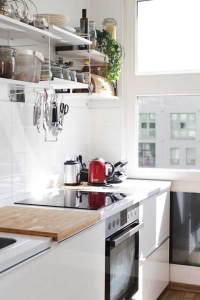
Making the most of every square inch while infusing your style cannot be overstated. With the right strategies and a fresh perspective, you can transform your tiny kitchen into a stylish and efficient heart of your home.
Kitchen Traditions has a treasure trove of innovative remodeling ideas carefully curated and designed specifically for compact kitchens. Let’s turn those challenges into opportunities.
Efficient Storage Solutions
First and foremost, efficient storage is the backbone of a functional small kitchen. When storage is correctly optimized, it eases the process of cooking, cleaning, and organizing, turning a cramped kitchen into an efficient culinary workspace. It’s not just about having a spot for everything but also ensuring that items are easily accessible and, ideally, serve multiple purposes.
Utilizing vertical space is a game-changer in compact kitchen design. Tall cabinets and open shelves reach up rather than out, maximizing space that often goes unused.
Consider installing custom cabinets that stretch to the ceiling, providing ample storage for less frequently used items. Similarly, tall, narrow shelving units can serve as a stylish display for your dishes or glassware, combining storage and aesthetics.
Another ingenious strategy is using multi-functional furniture, particularly those with hidden storage compartments. For instance, a kitchen island with built-in cabinets or a breakfast nook with lift-up seats can provide hidden spaces to store your kitchen essentials. This clears your countertops and adds an element of surprise to your kitchen layout.
Lastly, don’t underestimate the power of wall-mounted organizers and hooks. These can provide a home for your cookware, utensils, mugs, and more, freeing up valuable drawer and cabinet space. When properly arranged, they can even serve as a visually pleasing aspect of your kitchen decor.
Wall-mounted solutions are about creativity, functionality, and a bit of flair, contributing significantly to the overall efficiency of your small kitchen.
Smart Organization Tips
A well-organized kitchen is the secret ingredient to a smooth, stress-free cooking experience, especially in a compact space. It promotes efficient workflow, saves time, and prevents the frustration of hunting for ingredients or tools amid the culinary process. Moreover, an organized kitchen is functional and aesthetically pleasing, contributing to an enjoyable cooking atmosphere.
One of the most practical and effective ways to improve kitchen organization is by using drawer dividers and organizers. These simple tools can revolutionize your kitchen drawers, transforming them from a jumbled mess of utensils and cutlery into neatly arranged zones.
With everything in its place, you reduce the time spent searching for that elusive peeler or the right-size measuring spoon. Drawers become more efficient and user-friendly, streamlining your kitchen tasks.
Magnetic strips present another ingenious solution for small kitchens. Perfect for storing knives and other metal tools, they eliminate the need for bulky knife blocks or cluttered utensil drawers.
By mounting a magnetic strip on the wall or inside a cabinet door, you can easily access your knives while keeping them safely out of reach of children. Plus, the sight of neatly aligned tools adds a professional touch to your kitchen aesthetics.
Lastly, clear containers and labels for pantry items are essential to kitchen organization. You can easily identify and access what you need by transferring ingredients from their original packaging into clear, uniform containers.
Adding labels further enhances this efficiency, particularly for items that may not be immediately recognizable. This method makes cooking more convenient and contributes to your pantry’s orderly, stylish look. Remember, a well-organized kitchen is a delight to cook in and a testament to your culinary dedication.
Creative Kitchen Design Elements
In a small kitchen, design elements play a pivotal role in enhancing space and contributing to the style and overall aesthetic appeal. The creative use of color, materials, and fixtures can dramatically transform the feel and functionality of your compact kitchen, making it appear larger and more inviting.
Light colors have a well-known effect of creating an illusion of space. A kitchen drenched in shades of white, beige, or light gray can seem brighter and more spacious than it is.
Combining light-colored cabinetry and walls with a mirrored backsplash or reflective surfaces like stainless steel appliances or glossy countertops can amplify this effect, bouncing light around the room and making it feel airy.
Open shelving is another brilliant design tactic for small kitchens. By replacing upper cabinets with open shelves, you create a sense of openness and have a perfect stage to highlight your stylish kitchenware or curated collection of cookbooks. This adds personality and visual interest to your kitchen and allows you to inject color and texture into your space.
Statement lighting fixtures cannot be overlooked in small kitchen designs. A carefully chosen pendant light or a series of spotlights can provide illumination and a style statement. Lighting can be functional and a decorative accessory, adding elegance, drama, and a focal point to your kitchen, elevating the overall aesthetic appeal.
Remember, the key to a great kitchen design lies in balancing functionality with style, and with these clever design elements, your small kitchen can punch well above its weight.
Innovative Appliances and Fixtures
The selection of appliances and fixtures is a critical aspect of small kitchen remodeling, with significant implications for functionality and style. Opting for space-saving appliances and fixtures can make a huge difference in how effectively you utilize your kitchen configurations, with clever designs allowing for a more streamlined approach to cooking and storage.
Compact appliances have emerged as a fantastic solution for small kitchens, contributing to a sleek, clutter-free aesthetic while ensuring you have all the necessary amenities nearby.
Slim refrigerators and slimline dishwashers, for instance, can fit seamlessly into tight spaces, providing all the conveniences of their full-sized counterparts without overwhelming the kitchen layout. These appliances testify to the adage that good things often come in small packages.
Another innovative concept gaining popularity is using pull-out or fold-down countertops and cutting boards. These features provide additional workspace when needed, then neatly tucked away when unused. This functionality allows for a flexible kitchen layout, adapting to your needs, whether preparing a feast or simply enjoying a cup of coffee.
In terms of fixtures, installing a single-bowl sink can save a surprising amount of counter space. Although double-bowl sinks can be useful for multi-tasking, they can take up valuable countertop real estate. On the other hand, a large, single-bowl sink can handle various kitchen tasks efficiently while freeing up space for prep work.
By opting for these innovative appliances and fixtures, you can optimize your kitchen space while maintaining all the functionality needed for an enjoyable cooking experience. Remember, practicality and style can coexist in a small kitchen—it’s all about making smart choices.
Conclusion
In conclusion, remodeling a small kitchen should never be a daunting task. Instead, it should be a thrilling opportunity to infuse efficiency and style, even in the most compact spaces.
From the ingenious use of drawer dividers and magnetic strips for improved storage, implementing clear containers and labels for pantry items, to the strategic selection of color, design elements, and open shelving to create a spacious illusion, every aspect of your kitchen can be optimized.
The right choice of compact appliances and innovative fixtures like pull-out countertops and single-bowl sinks further enhances functionality without compromising aesthetics. Remember, the key to a successful small kitchen remodel lies in smart choices, creativity, and a keen eye for style.
So, dare to transform your compact kitchen into a vibrant, stylish, and highly efficient space. If you need a knowledgeable home kitchen designer in Danbury, CT, contact Kitchen Traditions, your trusted partner in compact kitchen design and remodeling services, to help you turn these clever ideas into reality.