

The Social Hub Kitchen Island: A Design Trend
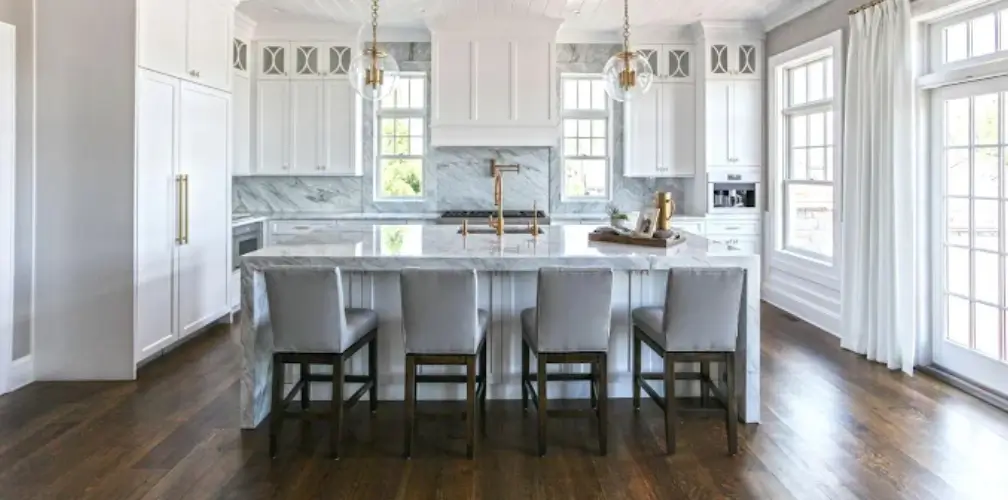
In today’s home design world, the kitchen is widely regarded as the heart of the home. No longer simply a working space for food preparation, kitchens are designed to claim their place as social hubs—spaces where families gather, friends mingle, and memories are created.
Essential to this design trend is the rise of the oversized, multifunctional kitchen island. The enhanced islands are more than statements of style; they are alternatives to formal dining tables, giving new options for eating, entertaining, and living.
The Kitchen Island’s Recent Expansion
Originally, kitchen islands were about creating additional workspace—places for chopping vegetables, storing pots and pans, or staging meals before they reached the dining table. However, modern lifestyles have adapted their uses. The kitchen island today has evolved from an afterthought to the main event, a place where cooking, eating, and socializing blend organically.
The Social Hub Island layout takes this evolution to the next level. By expanding the island’s footprint and integrating features that serve both food prep and family needs, designers are creating islands that comfortably seat four or more people. The shift increases space and encourages interaction, further transforming the kitchen into a multifunctional space.
Why Replace the Formal Dining Table?
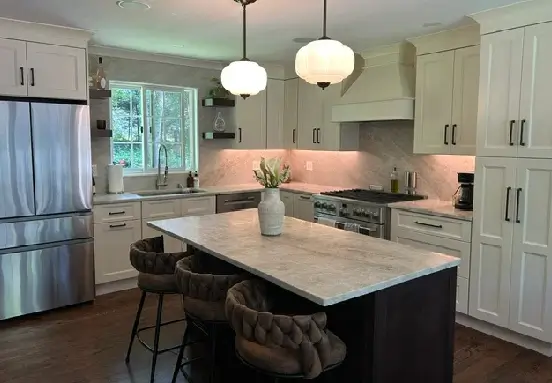
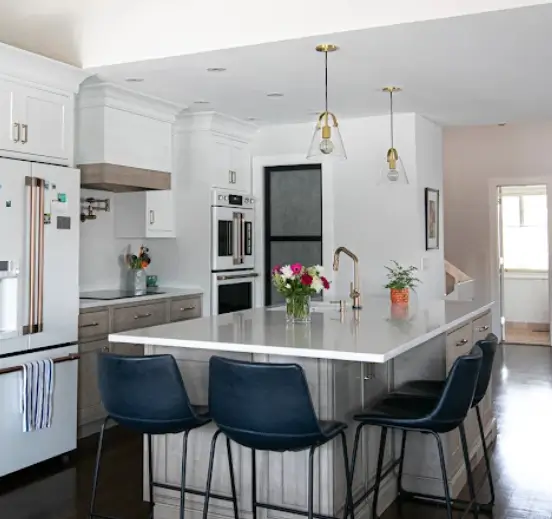
One of the most noticeable trends in contemporary kitchen design is the gradual deemphasizing, or even phasing out, of the traditional dining table. Instead, homeowners are adding larger kitchen islands with generous overhangs and integrated seating. There are several reasons for this shift:
- Using Space More Wisely: Especially in open-plan homes, a single large island can eliminate the need for a separate dining table, freeing up valuable square footage.
- Social Flow: Islands make conversation easy. Their central location and adaptable seating arrangements make them perfect for everything from casual breakfasts to lively dinners.
- Family Life: With children doing homework, parents preparing meals, and everyone snacking or chatting, the kitchen island is often the center of daily life in the home.
Features of the Social Hub Island Layout
To successfully replace the formal dining table, today’s larger kitchen islands need to do more than just look good. Here are some of the key features kitchen designers are incorporating:
Integrated Seating for 4+
Forget the old breakfast bar with two cramped stools. The social hub island is designed for group gatherings, with comfortable seating for at least four people. This might include a wraparound counter, built-in banquettes, or even a mix of bar stools and bench seating. The goal is to create a space where all feel included.
Dedicated Prep-and-Pantry Zones
A truly multifunctional island for much more than eating. Many designs now include dedicated prep areas, complete with sinks, chopping stations, and built-in cutting boards. Some islands even feature mini pantries or pull-out storage, making sure that everything you need is within arm’s reach—whether you’re making a gourmet meal or a midnight snack.
Intelligent Storage Solutions
With the kitchen island taking on so many roles, storage is key. Designers are including deep drawers for cookware, hidden cabinets for small appliances, and even refrigerated drawers for drinks and snacks. The aim is to keep the island clutter-free and visually appealing while remaining highly functional.
The Needed Power and Lighting
Modern islands naturally include built-in power outlets for charging devices, under-counter lighting to set the mood, and even integrated speakers for background music. These features make the island a true all-day destination, from morning coffee until late-night gatherings.
Stylish Materials and Finishes
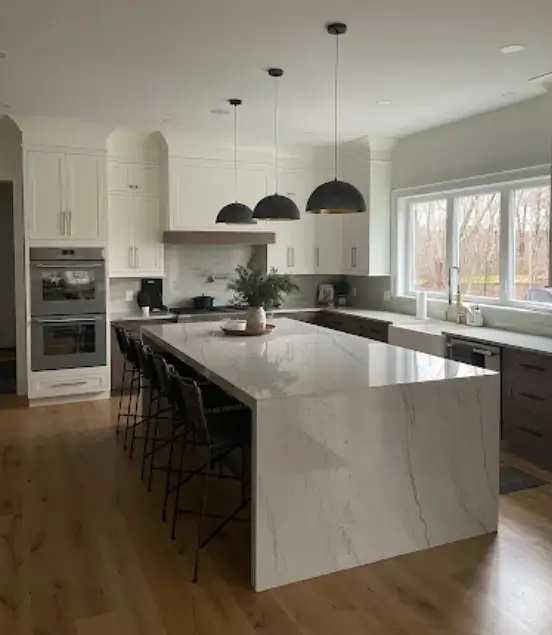
Because the island is now the focal point of the kitchen, homeowners are trying bold materials and finishes—think waterfall countertops, contrasting cabinetry, and statement lighting. The result is a showpiece that reflects the home’s character and its residents.
Tips for Designing Your Home’s Social Hub Island
If you’re planning a social hub island for your kitchen, here are a few tips to keep in mind:
- Size Matters: Make sure your island is large enough to accommodate both prep space and seating. As a rule of thumb, allow at least 24 inches of width per seat.
- Plan the Flow: Ensure there’s enough clearance around the island for people to move comfortably—typically at least 36 inches on all sides.
- Give Priority to Comfort: Invest in comfortable seating and consider adding cushions or upholstery for long meals and gatherings.
- Think Multi-Use: Add features like sinks, power outlets, and storage to make your island as versatile as possible.
- Don’t Forget Style: Choose materials and finishes that complement the rest of your home, but don’t be afraid to make a bold statement with your island design.
Ready for a Social Hub Kitchen Island?
The social hub island layout is more than a design trend—it’s a reflection of how we live today. By uniting functionality, comfort, and style, these larger, better-designed islands are redefining the modern kitchen and naturally gathering family and friends in new and meaningful ways.
Interested in a social hub kitchen island? Contact Kitchen Traditions at (203) 791-0501 to schedule a consultation. Our services include all types of kitchen design and remodeling.
Frequently Asked Questions
What’s the average size for a social hub island?
While there’s no one-size-fits-all answer, a good starting point is an island that’s at least 7 feet long and 3 feet wide. This provides ample space for seating, prep, and storage without crowding the kitchen.
How do I integrate storage without making the island look bulky?
A: Opt for deep drawers instead of cabinets, use pull-out shelves, and consider built-in appliances for a streamlined look. Open shelving for display items can also keep the design light and airy.
Are social hub islands only for large kitchens?
Not at all. While larger islands require more space, there are creative solutions for smaller kitchens, such as L-shaped or movable islands that offer seating and storage without crowding the room.
What materials work best for a statement island?
Quartz and granite are popular for countertops because of their durability and aesthetics. Wood cabinetry is the most popular for the base. Eye-catching hardware and unique accents can make striking choices. The important thing is to pick materials that balance function and fit your home’s décor
Can a kitchen island really replace a dining table?
Yes, with proper planning and design, a kitchen island can serve as the main dining area for most households. The point is to ensure there’s enough space and comfortable seating for your family’s daily dining needs and special occasions.

