

Should You Remodel Your Kitchen and Bathroom(s) at the Same Time?
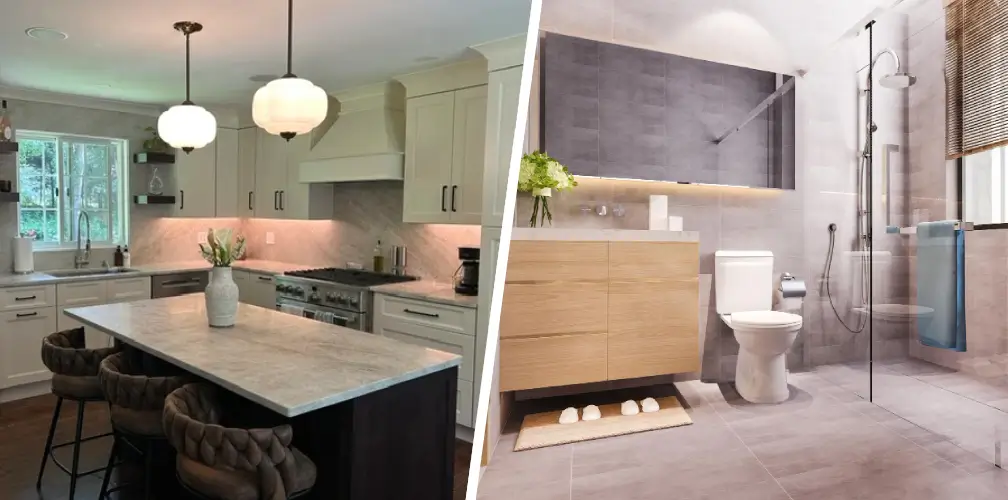
Remodeling your home can be one of the most rewarding investments you make, both in terms of enhancing your living environment and increasing your property value. Two of the most commonly renovated spaces are bathrooms and kitchens, and homeowners often face the decision: should you tackle these major projects separately or at the same time?
This article explores the compelling reasons to remodel your kitchen and bathroom(s) simultaneously, the challenges to consider, and tips for a smooth renovation process. At the end, a Q&A addresses common homeowner concerns.
The Case for Remodeling Together
Benefit from Cost Efficiency
One of the main reasons to remodel your kitchen and bathroom(s) together is cost savings. Contractors can achieve greater efficiency with larger, bundled projects, which can mean lower prices. This is because mobilizing crews, ordering materials in bulk, and coordinating subcontractors is more efficient on a larger scale. You may save on labor, material delivery, and even design fees. Bulk purchasing of tiles, cabinetry, or fixtures for both areas may result in meaningful supplier discounts.
Enjoy Consistent Design and Flow
When you remodel both at once, you create a unified look and carry a consistent design throughout your home. You can coordinate colors, cabinet hardware, and finishes, and tile choices; synchronizing your kitchen and bathrooms can enhance the flow and modernize the overall look. This consistency is especially important in open-concept homes where the kitchen and bathrooms are visible from common areas.
Save Yourself Time
Renovations can disrupt your home and life. Doing both projects at once means you deal with the inconvenience once, rather than twice. The timeline may be slightly longer than a single renovation, but it will be far shorter than doing the projects separately. You’ll improve your home more quickly and return to normal life sooner.
Manage the Project More Efficiently
Reduce the demands of a renovation and deal more easily with decisions about materials, fixtures, and layouts. By combining your bathroom and kitchen remodels, you only need to coordinate with contractors, designers, and suppliers once. This reduces the risk of miscommunication, scheduling conflicts, and delays. If you’re working with a design-build firm, they can create a master plan that addresses both spaces seamlessly.
Increase Your Home’s Value
Kitchens and bathrooms are often the most important rooms for home buyers. Updating them together can instantly boost your home’s resale value and marketability. Prospective buyers will appreciate a home where both of these heavily used rooms are modern, fresh, and move-in ready. According to the Journal of Light Construction’s Cost vs. Value Report, kitchen and bathroom remodels consistently rank among the top projects for return on investment.
There Can Be Challenges
While remodeling kitchens and bathrooms together has benefits, it’s important to be aware of potential challenges:
- Facing the Expense for Both: Handling two renovations at once requires a larger budget. Organized financial planning is essential.
- Dealing with More Rooms Under Renovation: When your kitchen and bathrooms are all under construction, expect disruption to daily life. You may need temporary cooking and bathing areas, or some families relocate for a couple of weeks.
- Deciding About Everything at Once: Choosing materials and colors for multiple spaces might feel stressful. Staying organized and working with experienced contractors can help.
Tips for a Successful Dual Remodel
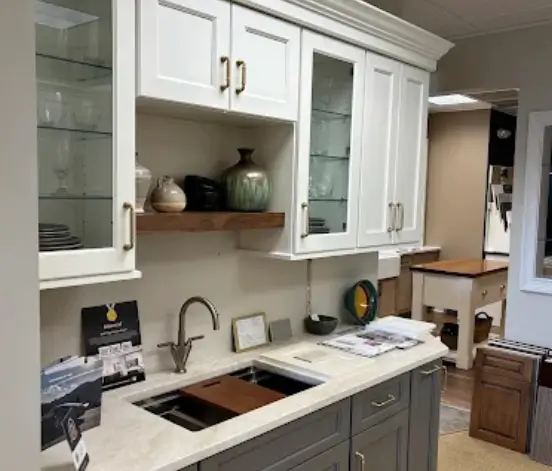
- Bring In Remodeling Pros: Find kitchen-bathroom specialists or general contractors with the expertise and experience to manage multiple-space renovations.
- Plan a Solid Budget: Include a contingency fund, often 10% of the total, for unforeseen expenses, which can happen when opening walls or replacing plumbing in older homes.
- Have a Temporary Living Plan: You’ll need an alternate kitchen (think microwave, slow cooker, and mini-fridge) and designate an auxiliary bathroom if possible.
- Schedule Smartly: Stagger the most disruptive phases (like demolition and plumbing shut-offs) so you’re not completely without essential services.
- Communicate Regularly: Stay in close contact with your contractor and request regular updates to avoid surprises.
How to Choose the Right Design
When remodeling both the kitchen and bathroom(s), it’s a unique opportunity to unify your home’s design. Here’s how to approach it:
- The Color Palette: Pick hues for walls, cabinets, and tiles that are versatile and work together. Neutral bases with pops of brighter accent tones work well for kitchens and bathrooms.
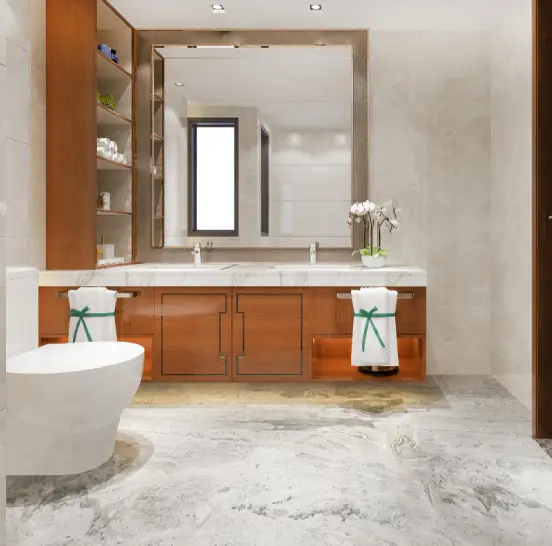
- Complementing Materials: You may want to use the same or similar cabinetry, countertops, or flooring across both spaces for a seamless look.
- Hardware and Fixtures: Decorators often recommend coordinated metal finishes (like brushed nickel or matte black) for faucets, handles, and lighting fixtures to tie both spaces together.
- Strategic Lighting: Well-planned, well-placed lights—such as recessed lights or pendant fixtures—can help create flow.
A Rundown of the Remodeling Process
- Planning and Designing: Work with a kitchen and bathroom designer on layouts, material orders, and a timeline for the work to take place.
- Applying for Permits: Acquire necessary permits for plumbing, electrical, and structural changes.
- Demolition: Remove existing cabinets, fixtures, appliances, etc.
- Rough-In Work: Plumbing, electrical, and HVAC systems are updated as needed.
- Installation: Cabinets, countertops, appliances, and fixtures are installed.
- Finishing the Project: Painting, tiling, and hardware installation complete the look.
Getting the Most from Your Investment
To get the most from your remodel:
- Focus on Quality: Invest in durable materials and timeless designs that will look great and function well for years.
- Consider Energy Efficiency: Upgrade to energy-efficient appliances and fixtures to reduce utility costs and appeal to eco-conscious buyers.
- Don’t Over-Improve: Ensure your renovations are in line with the value of other homes in your neighborhood to maximize return.
Renovating Kitchens and Bathrooms Together
Remodeling your kitchen and bathroom(s) at the same time is a major undertaking, but the benefits in terms of cost, efficiency, design cohesion, and home value can be substantial.
With careful planning and the right professional support, you can transform your home in one comprehensive project—making the disruption worthwhile for years of enjoyment and increased equity.
In Connecticut and looking for a kitchen and bathroom remodeling company? If so, call us at Kitchen Traditions for an initial consultation at (203) 791-0501.
Q&A: Frequently Asked Questions
Will remodeling my kitchen and bathroom(s) make my life unbearable?
While there will be disruption to your day-to-day life at home, it is often less than doing the projects separately. When you plan well and have temporary setups for cooking and bathing, you can manage well.
How is the price affected if I do both spaces together?
You’ll have a higher total cost than with a single-room renovation, but you’ll likely save on items such as labor, materials, and time. You can negotiate a package deal.
How do I find a contractor that does both kitchens and baths?
Try to pick professionals with the needed experience remodeling kitchens, bathrooms, or entire homes. Don’t forget their references and reviews; check them and see what others have to say.
Can I live at home as the remodeling happens?
Many families stay in their homes, but you must allow for inconvenience. Temporary kitchens and bathrooms can make it doable. For extensive renovation projects, you may need to consider relocating for a short period.
How long will a combined kitchen and bathroom remodel take?
Depending on the scope and complexity, most combined remodels take 8–16 weeks. A detailed schedule from your contractor will help you plan.
Will a dual remodel add value to my home?
Absolutely. Kitchens and bathrooms are high-impact spaces. Real estate industry pros advise that new kitchens and bathrooms significantly increase your home’s appeal and resale value.
